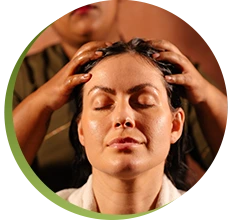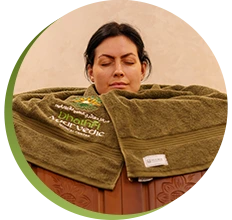
Abhyanga – a warm, full-body massage with medicated herbal oils – is one of the simplest and most widely used treatments in Ayurveda. Classical texts recommend it as part of a healthy daily routine, not only as a treatment for illness. Here is what Abhyanga is, how it differs from a regular spa massage, and what to expect when you book a session with us in Abu Dhabi.
What is Abhyanga?
Abhyanga comes from the Sanskrit for “oil application”. The therapist applies generous amounts of warm oil to the whole body with long, rhythmic strokes in a set sequence, usually followed by mild steam or a warm shower. The oil is chosen according to your body type and current imbalance – for example, sesame-based oils for Vata, cooling coconut-based oils for Pitta, and lighter oils with less quantity for Kapha.
How is it different from a spa massage?
- Medicated oils: classical herbal oils such as Dhanwantharam or Ksheerabala are prepared according to Ayurvedic formulas, not just scented with essential oils.
- Doctor-guided: the oil, pressure and frequency are decided after an Ayurvedic consultation.
- Part of a treatment plan: Abhyanga is often the first step before other therapies such as Swedanam, Pizhichil or a Panchakarma programme.
Traditional benefits of Abhyanga
Ayurveda describes regular oil massage as nourishing for the body and calming for the mind. People commonly use Abhyanga to:
- relax and unwind from stress
- ease muscle stiffness and general body aches
- support better quality sleep
- care for dry skin – especially useful in air-conditioned UAE homes and offices
- feel lighter and more energised
These are the traditional and commonly reported effects; individual experiences vary, and Abhyanga is not a replacement for medical treatment of any disease.
What happens during a session?
- Consultation: a short check by our doctor to choose the right oil and confirm the massage suits you.
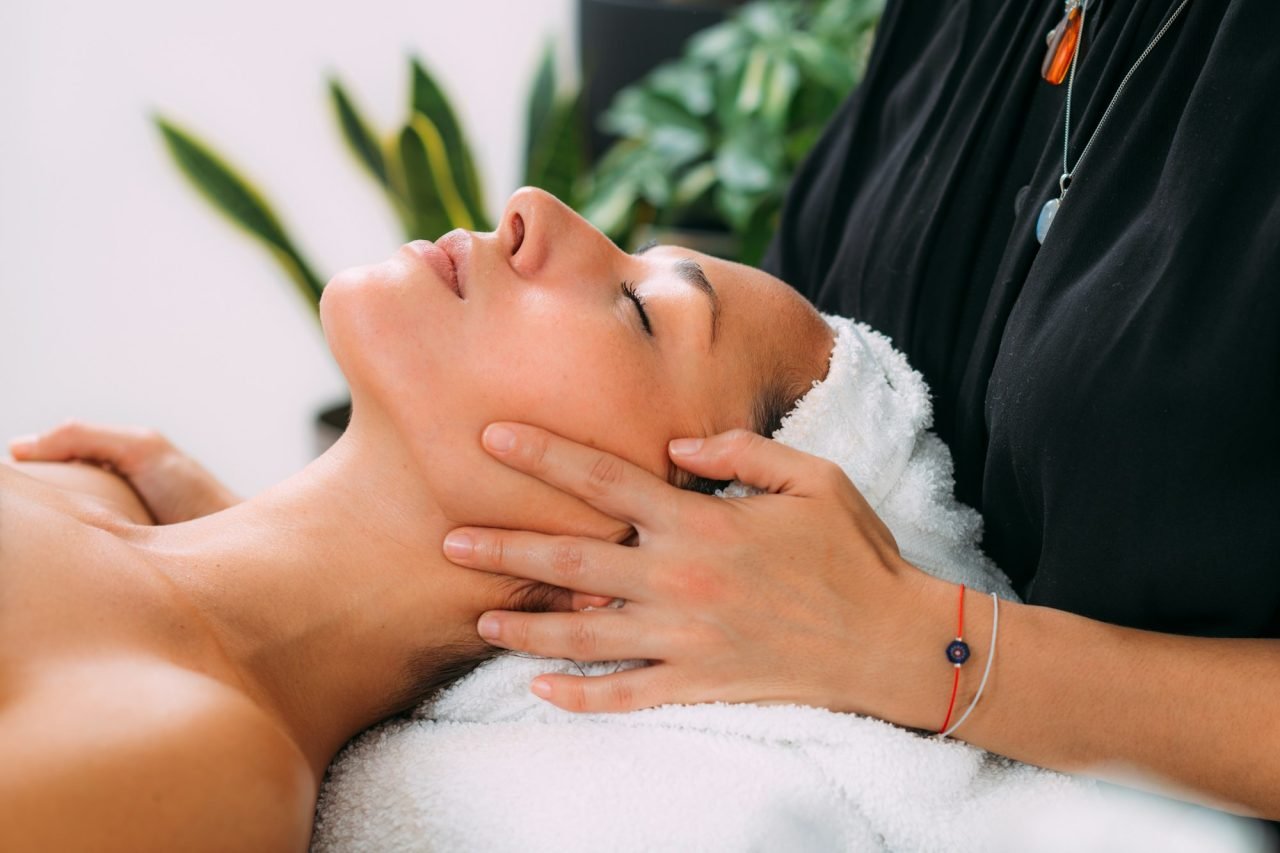
- Massage: 45–60 minutes of warm oil massage covering the head, face, body and feet, in a quiet, private treatment room.
- Steam or fomentation: often a short herbal steam to help the oil penetrate and relax the muscles.
- Rest and shower: take a few minutes before showering with warm water. Avoid cold drinks and air-conditioning blowing directly on you straight after.
Who should avoid Abhyanga?
Abhyanga is usually postponed during fever, acute indigestion, a cold with heaviness, or immediately after a large meal. It may need to be adapted if you have skin infections, open wounds or certain medical conditions, and during pregnancy it is done only with specific oils and techniques. Tell our team about your health before your session.
Self-Abhyanga at home
Ayurveda encourages a short self-massage before your morning shower. Warm a few tablespoons of oil recommended for you, massage it in with long strokes on the limbs and circular strokes on the joints, leave it on for 10–15 minutes, then wash off with warm water. Ask our doctors which oil suits you.
Frequently asked questions
How often should I have Abhyanga?
For relaxation, once a week or a few times a month is common. As part of a treatment plan, it may be daily for 7–14 days.
Will the oil stain my clothes?
Some oil remains on the skin. We recommend wearing comfortable, older clothing to your appointment.
Is Abhyanga suitable for men?
Yes. Abhyanga is for everyone, and we provide treatments with appropriate privacy.
Book Abhyanga in Mussafah, Abu Dhabi
Experience authentic Kerala Abhyanga at Dhathri Gram Ayurvedic Medical Center, Muhammed Abdullah Juma Al Qubaisi Building, Plot No. C189, Shabiya 12, Mussafah. Call 02 558 6608 or visit our Abhyanga treatment page and all treatments.
This article is for general information and is not a substitute for medical advice.