The weeks after childbirth are one of the most important – and most demanding – times in a woman’s life. In Kerala, where our tradition comes from, postnatal care has been passed down for generations as a structured period of rest, nourishment and gentle therapies known as Sutika Paricharya. For new mothers in Abu Dhabi who are far from family, an Ayurvedic postnatal programme can bring some of that support back.
Why does Ayurveda give so much attention to the postnatal period?
In Ayurvedic thinking, pregnancy and delivery leave the body depleted and increase Vata dosha – the principle of movement and dryness. This is linked with fatigue, body aches, poor sleep, anxiety, digestive changes and slow recovery. Postnatal care therefore focuses on three things: warmth and rest, easily digested nourishing food, and treatments that calm Vata and help the body rebuild strength.
What does Ayurvedic postnatal care include?
1. Gentle oil massage (Abhyanga)
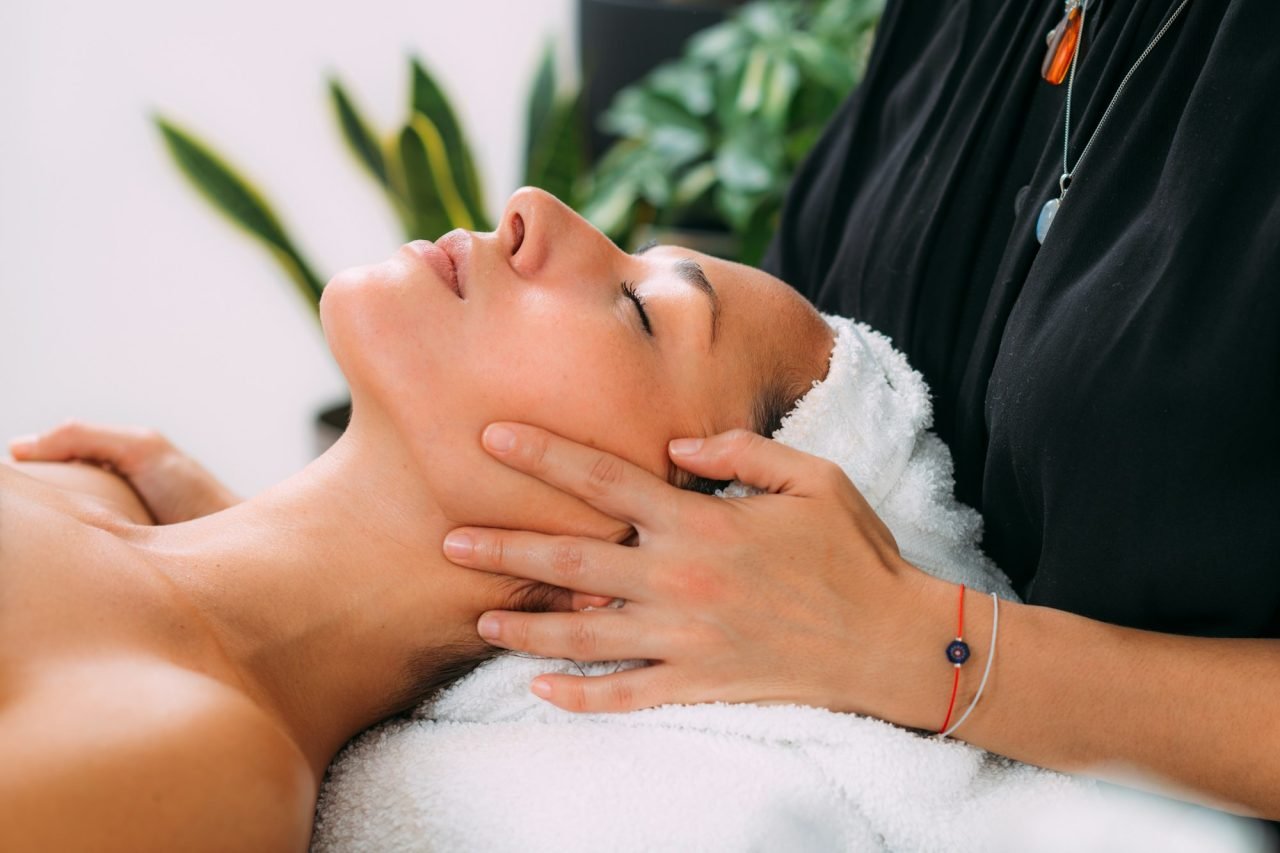
Daily warm-oil massage with medicated oils is the centre of traditional postnatal care. It is deeply relaxing and is traditionally used to ease body aches, support circulation and help the mother feel restored. Learn more on our Abhyanga page.
2. Herbal steam and fomentation
Mild herbal steam or warm herbal bundles are often used after massage to relax muscles and keep the body warm. See Swedanam.
3. Abdominal care
Traditional abdominal oiling and binding (wrapping with a cotton cloth) are commonly used in Kerala households to support the abdomen after delivery.
4. Diet and digestion
Warm, freshly cooked, easily digested meals – rice gruels, soups, ghee in moderation and digestive spices such as cumin, ajwain and dry ginger – are recommended. Our doctors tailor this to your appetite, your delivery and whether you are breastfeeding.
5. Herbal medicines
Classical formulations may be prescribed to support recovery, digestion and energy. These are always chosen by a doctor, with breastfeeding in mind.
6. Rest, sleep and emotional wellbeing
Ayurveda places strong emphasis on rest and calm in the early weeks. Feeling low or anxious after birth is common – please speak to your doctor if these feelings are strong or last more than a couple of weeks. Postnatal depression is a medical condition and deserves proper care.
When can postnatal therapies start?
This depends on the type of delivery and how you are recovering. After a normal delivery, gentle therapies can often begin once your obstetrician is happy with your recovery. After a caesarean section, therapies are started later and the abdomen is avoided until the wound has healed. We always ask for clearance from your obstetrician and adapt every therapy to you.
Care for your baby too
Gentle baby oil massage is a much-loved Kerala tradition and a lovely way to bond with your baby. Our therapists can show you safe techniques to continue at home. Our Mother & Baby Care packages combine care for both of you.
Prenatal care: preparing for a smoother recovery
Ayurveda also offers gentle support during pregnancy – diet guidance, daily routines and carefully selected therapies that are safe for each trimester. Read more on our Prenatal & Postnatal Care page.
Frequently asked questions
Is Ayurvedic postnatal care safe while breastfeeding?
Yes, when it is supervised by a qualified Ayurvedic doctor who knows you are breastfeeding. Tell the doctor about any medicines or supplements you are taking.
How many sessions do I need?
Traditional programmes range from 7 to 28 days. Many mothers in Abu Dhabi choose a shorter course of 7 to 14 sessions. Your doctor will recommend a plan.
Book postnatal care in Mussafah, Abu Dhabi
Dhathri Gram Ayurvedic Medical Center is at Muhammed Abdullah Juma Al Qubaisi Building, Plot No. C189, Shabiya 12, Mussafah, Abu Dhabi. Call 02 558 6608 or contact us to speak with our doctors.
This article is for general information and is not a substitute for medical advice. Always follow your obstetrician’s guidance after delivery.