Panchakarma is the best-known detox and rejuvenation programme in Ayurveda, the traditional system of medicine from India. If you live in Abu Dhabi and keep hearing about it from friends or colleagues, this guide explains what Panchakarma actually involves, who it suits, what a typical programme looks like, and how to prepare for it.
What is Panchakarma?
The word comes from Sanskrit: pancha means five and karma means action or procedure. Classical Ayurvedic texts describe five main cleansing procedures that are used to bring the body’s three doshas – Vata, Pitta and Kapha – back into balance and to clear what Ayurveda calls ama, the residue of poor digestion and metabolism.
Panchakarma is never a one-size-fits-all package. An Ayurvedic doctor first assesses your constitution (Prakriti), your current imbalance and your general health, and then decides which procedures are appropriate, in what order and for how many days.
The five classical procedures
- Vamana – therapeutic emesis, traditionally used for Kapha-related conditions.
- Virechana – therapeutic purgation with herbal preparations, traditionally used for Pitta imbalance.
- Vasti (Basti) – medicated enema therapy, considered the most important treatment for Vata. Read more about Vasti and Sneha Vasti.
- Nasya – administration of medicated oils or powders through the nose, used for conditions of the head and neck. See our Nasya treatment page.
- Raktamokshana – classical blood-letting therapy, used only in specific cases and under strict medical supervision.
In practice, most programmes use one or two of these main procedures, supported by preparatory and follow-up therapies.
The three stages of a Panchakarma programme
1. Purvakarma – preparation
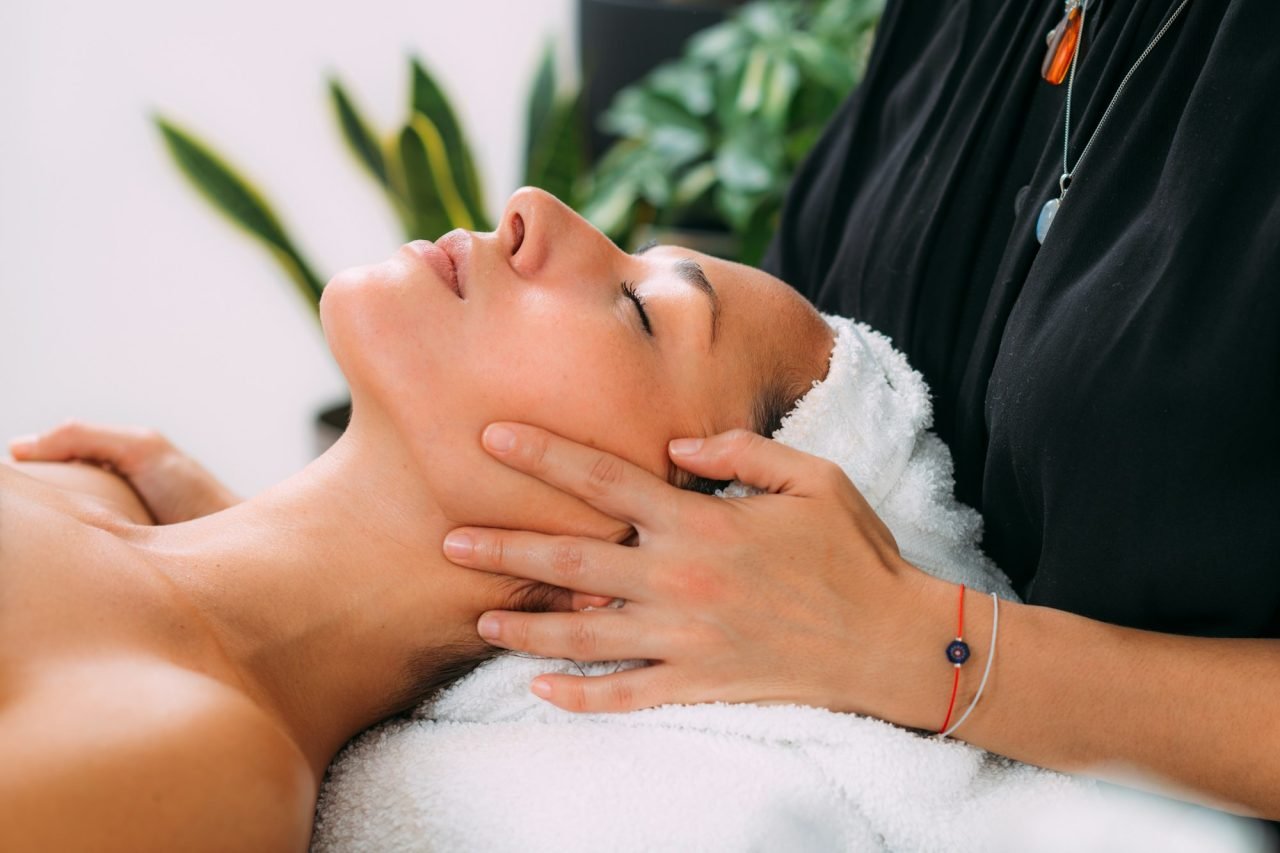
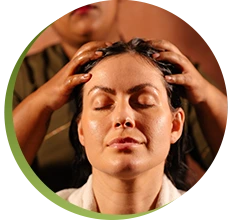
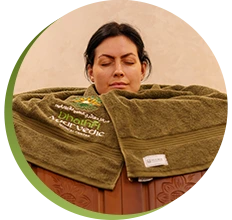
Before the main cleansing, the body is prepared with internal and external oleation (Snehana) and sweating therapies (Swedana). This usually includes daily Abhyanga full-body oil massage and herbal steam or Swedanam fomentation. In Ayurvedic terms, this loosens accumulated doshas and moves them towards the digestive tract so they can be eliminated.
2. Pradhanakarma – the main procedure
The doctor carries out the chosen procedure (for example Virechana or a course of Vasti), with close monitoring of how your body responds.
3. Paschatkarma – recovery and rebuilding
After cleansing, digestion is gradually rebuilt with a light, specific diet (Samsarjana Krama), rest and lifestyle guidance. This stage is just as important as the treatment itself, and skipping it is one of the most common mistakes people make.
Who might consider Panchakarma?
People commonly come to us for Panchakarma when they want to:
- reset after a period of stress, poor sleep or irregular eating
- support the management of long-standing digestive, skin, joint or metabolic complaints alongside their regular medical care
- take a structured break to rest, recover and build healthier daily routines
- do a seasonal cleanse, which Ayurveda traditionally recommends at the change of seasons
Panchakarma is not suitable for everyone. It is usually avoided or modified during pregnancy, in people who are very weak or underweight, during acute illness or fever, and in some heart and kidney conditions. That is why a proper consultation comes first, and why you should tell the doctor about every medicine you take and every condition you have.
How long does Panchakarma take?
A classical programme typically runs from 7 to 21 days, depending on the procedures chosen and your health. Shorter, gentler courses are possible for people with busy schedules in Abu Dhabi, but the preparation and recovery stages should never be rushed. Your doctor will give you a clear timeline at the start.
How to prepare
- Book a consultation first and bring any recent blood reports and a list of your medicines.
- Plan lighter workdays during the programme; you may feel tired on some days.
- Avoid heavy, fried and very cold food, alcohol and late nights in the days before you start.
- Follow the diet plan closely during and after treatment.
Panchakarma at Dhathri Gram, Mussafah
At Dhathri Gram Ayurvedic Medical Center we follow the Kerala Ashta Vaidya tradition. Every programme is planned and supervised by our qualified Ayurvedic doctors and delivered by trained therapists using authentic herbal oils and medicines. You can see the full range of supporting therapies on our treatments page, and our structured programmes on the Signature Wellness Programmes page.
Frequently asked questions
Is Panchakarma painful?
No. Most therapies, such as oil massage and steam, are relaxing. The main cleansing procedures can be tiring, which is why rest is built into the programme.
Can I go to work during Panchakarma?
During preparation, many people continue light work. On the days of the main procedure, it is best to rest. Your doctor will advise you.
Do I need to stop my regular medicines?
Never stop prescribed medicines on your own. Tell our doctor everything you take; any changes should be discussed with the doctor who prescribed them.
Book a Panchakarma consultation in Abu Dhabi
Visit us at Muhammed Abdullah Juma Al Qubaisi Building, Plot No. C189, Shabiya 12, Mussafah, Abu Dhabi, call 02 558 6608 or contact us online to book your consultation.
This article is for general information and is not a substitute for medical advice. Please consult a qualified doctor before starting any treatment.